

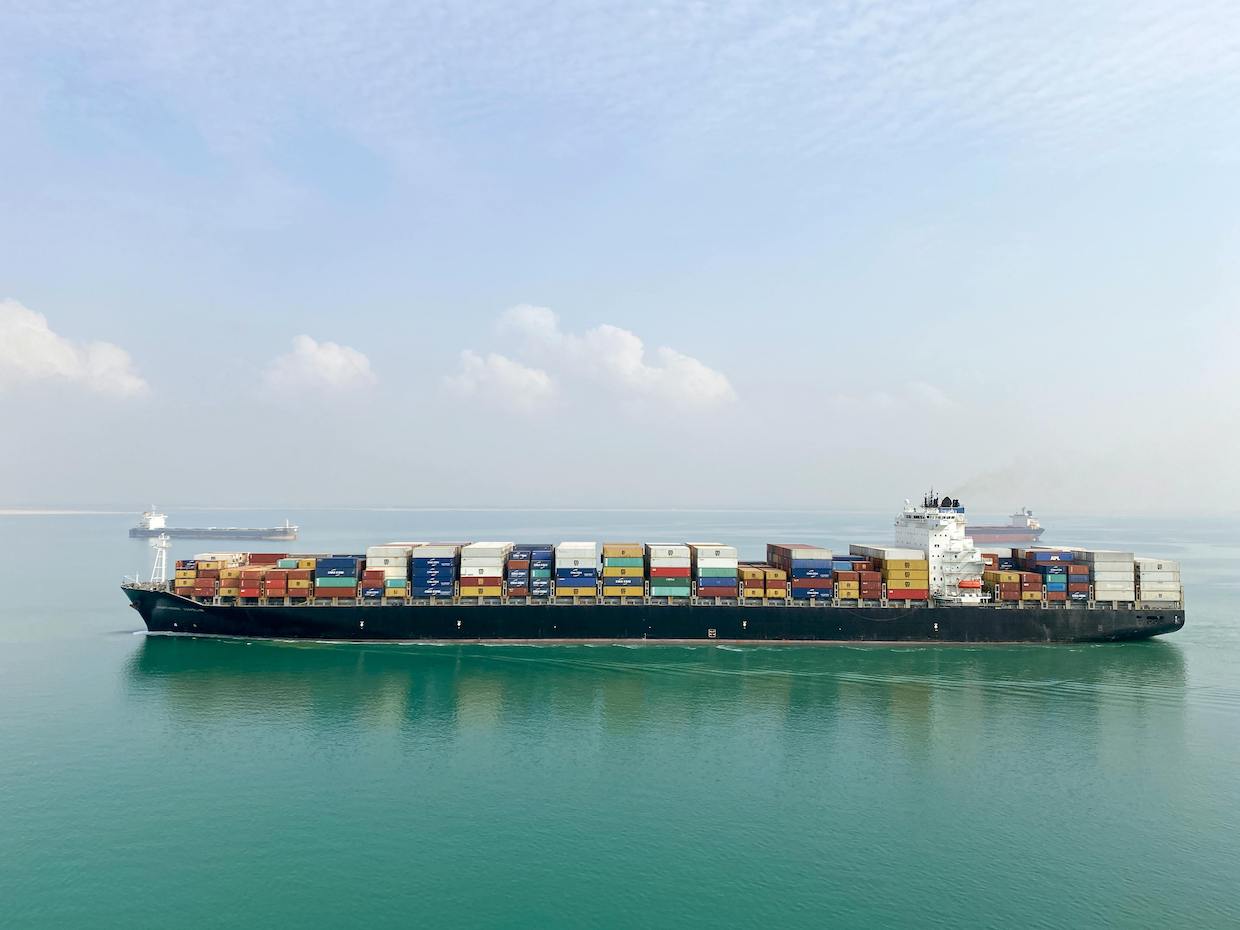
After months of uncertainty, green coffee importers can now formally file claims through the federal government’s tariff refund portal.
While claims may mark the first step in a significant financial recovery for a U.S. green coffee industry that bore a sizable burden of the illegal Trump-era tariffs, there is still no clear view of precisely how much money coffee companies may recover or when refunds will arrive.
What We Know Right Now
U.S. Customs and Border Protection (CBP) launched Phase 1 of its Consolidated Administration and Processing of Entries (CAPE) tool on April 20 to process International Emergency Economic Powers Act (IEEPA) duty refunds.
To file claims, importers of record (IOR) or their licensed customs brokers must have an ACE Secure Data Portal account through CBP, including updated bank account information.
The system went live two months after the Supreme Court’s 6-3 ruling in Learning Resources, Inc. v. Trump, which held that IEEPA did not authorize the president to impose sweeping tariffs.
Trump announced the reciprocal tariffs on April 2, 2025, triggering widespread disruption across U.S. supply chains, including in coffee, an industry that depends almost entirely on imported green coffee.
CBP has said it collected about $166 billion in IEEPA duties from more than 330,000 importers across roughly 53 million shipments of all kinds.
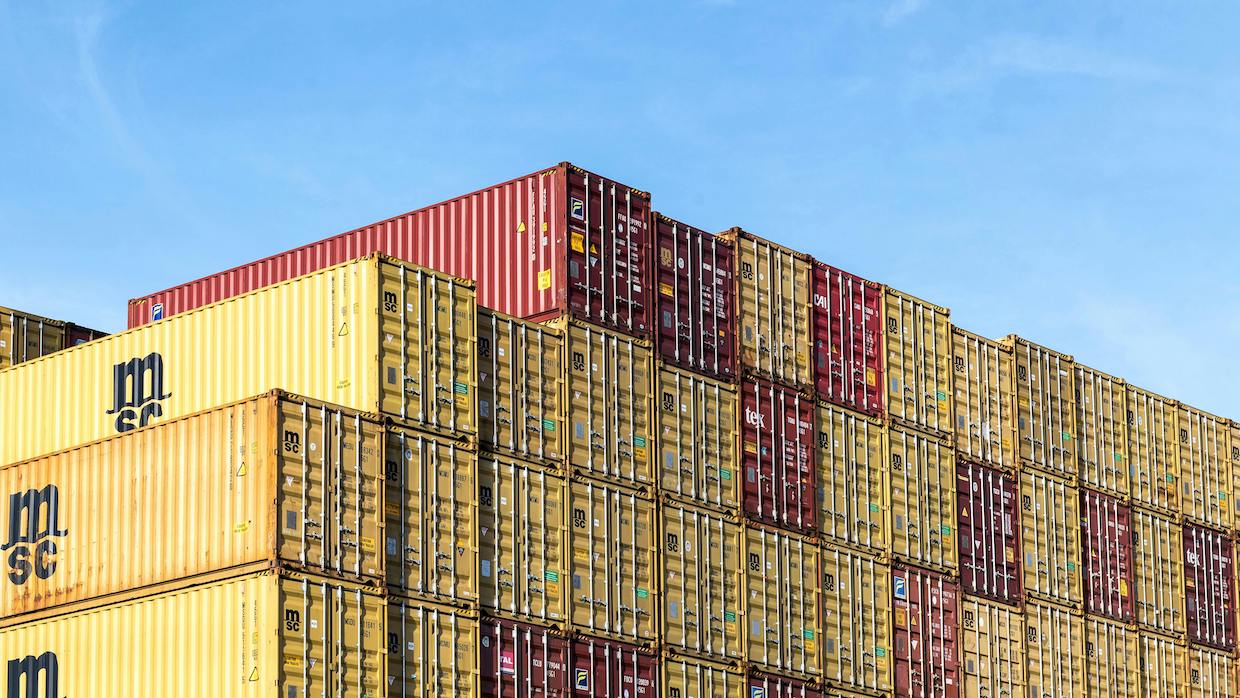
To manage the huge volume of expected claims, CAPE allows importers of record (IOR), or their licensed customs brokers, to submit a single CAPE declaration covering potentially thousands of entries instead of filing entry by entry.
According to CBP guidance, the agency will recalculate duties, liquidate or reliquidate entries as appropriate, and issue a single lump-sum refund with interest.
(Note: In customs terms, “liquidation” simply means CBP has officially closed the books on a shipment and confirmed the final amount owed — like a bill being stamped “settled.”)
For most straightforward Phase 1 claims, CBP says valid refunds will generally be issued within 60 to 90 days after a CAPE declaration is accepted, although the timeline may stretch longer if compliance concerns or technical issues arise. The agency said CAPE declaration acceptance typically takes about 10 days, meaning refunds might reasonably be expected from 70 to 100 days from the initial filing.
What Phase 1 Covers
Green coffee was subject to IEEPA tariffs from April 5, 2025, when the reciprocal tariff took effect, through Nov. 12, 2025, the day before a later executive action exempting coffee took effect. Tariffs paid outside that window are not eligible for these refunds.
Phase 1 of CAPE specifically covers two categories of entries: shipments that remain unliquidated and shipments liquidated within the past 80 days. Everything else — meaning entries finally liquidated more than 80 days before the portal opened, or roughly before Jan. 30, 2026 — is excluded for now.
For coffee importers, that means much of the older part of the tariff window — especially shipments from spring and summer 2025 — may fall outside Phase 1 because those entries have had more time to liquidate. Later phases are expected to address older liquidated entries, along with other more complex cases such as drawback and reconciliation.
CBP has not yet announced a launch date for Phase 2, and some trade attorneys have advised importers to consider filing protests on excluded entries where the 180-day protest window is still open.
Importers should verify precise entry dates on their customs records rather than relying on purchase, shipment or invoice dates. According to CBP guidance, CAPE eligibility turns on when the goods were entered for consumption at U.S. Customs.
Shipments that were in transit or in bonded warehouse when the tariffs took effect may carry different entry dates than importers expect, and customs brokers can pull that data directly from ACE records.
What’s Next
As importers begin sorting through the paperwork, roasters, retailers and other coffee businesses affected by higher prices are watching to see whether any of that relief will eventually be passed along downstream.
Over the course of more than two dozen interviews during the past year, DCN has learned that numerous importing companies — particularly smaller traders focused on specialty coffee — made contractual promises to roasters during the tariff period that they would issue refunds if and when those importers were reimbursed.
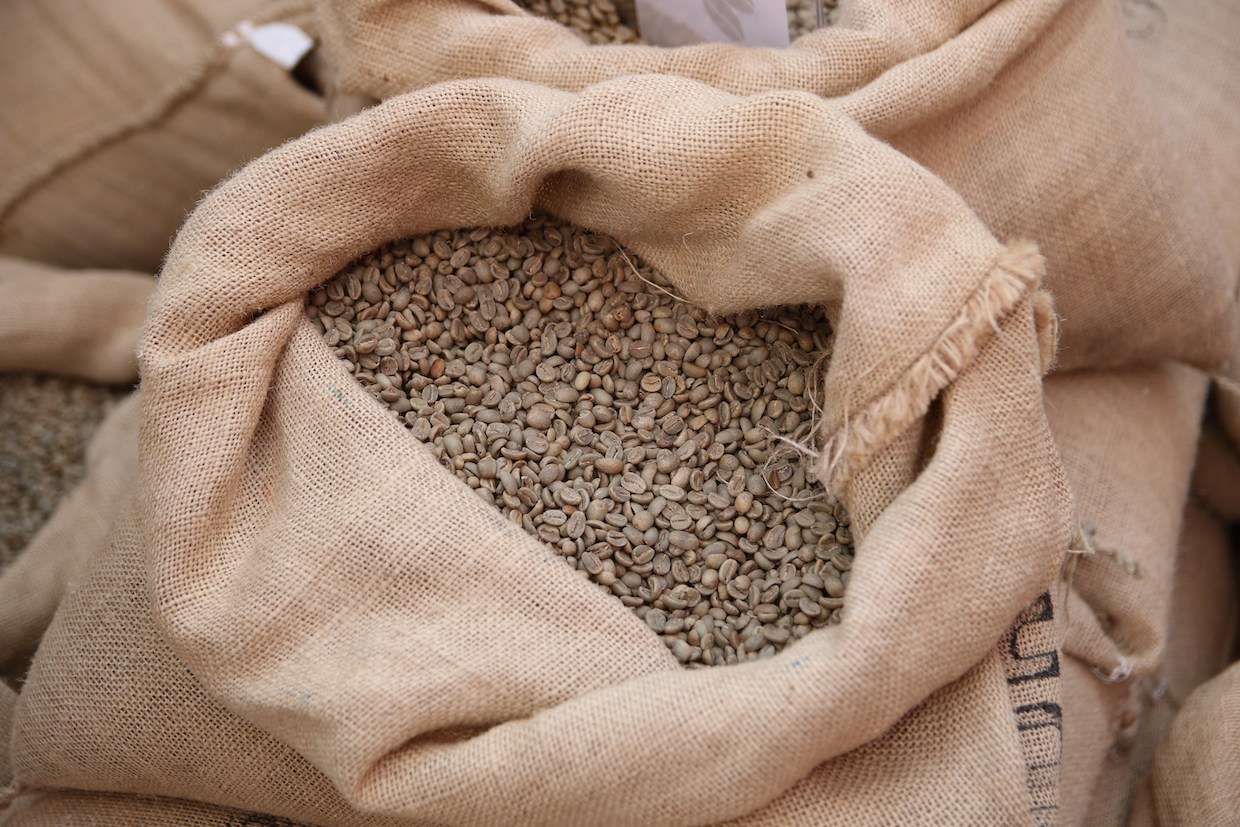
While those negotiations remain highly company-specific, larger importers that could potentially recover millions of dollars have generally taken a cautious, wait-and-see approach in public.
At least one importer, Emeryville, California-based Royal Coffee, has issued a public statement since the portal opened. In an April 22 update, the company said it had filed for refunds under Phase 1, that its “records are complete” and that it is “prepared to act once funds are received, and details are confirmed.” The company further clarified that it has not received any refunds.
“There is still a significant amount of uncertainty around the timing and outcome of IEEPA tariff refunds,” Royal wrote. “For that reason, we are not in a position to confirm refund amounts or timing at the customer level.”
Neither of the country’s two largest trade associations, the Specialty Coffee Association (SCA) and the National Coffee Association (NCA), have issued publicly available guidance to coffee companies since the refund portal launched. DCN reached out to both of those organizations for comment.
“NCA is continuing to advocate broadly for tariff-free coffee trade,” NCA CEO and President William “Bill” Murray said in a statement to DCN. “With regard to tariff refunds, NCA can provide summaries of administration announcements, but — since the impact of tariffs varies across companies and supply chains — each company has to determine any appropriate course of individual action.”
An SCA representative told DCN that the group “doesn’t provide guidance on any single country’s import/export regulations or trade policy,” adding, “we want to be thoughtful about our identity as a truly international organization.”
[Note: This story has been updated since its original publication to include statements from the NCA and SCA.]
Comments? Questions? News to share? Contact DCN’s editors here. For all the latest coffee industry news, subscribe to the DCN newsletter.
Related Posts
Nick Brown
Nick Brown is the editor of Daily Coffee News by Roast Magazine.


Comment