


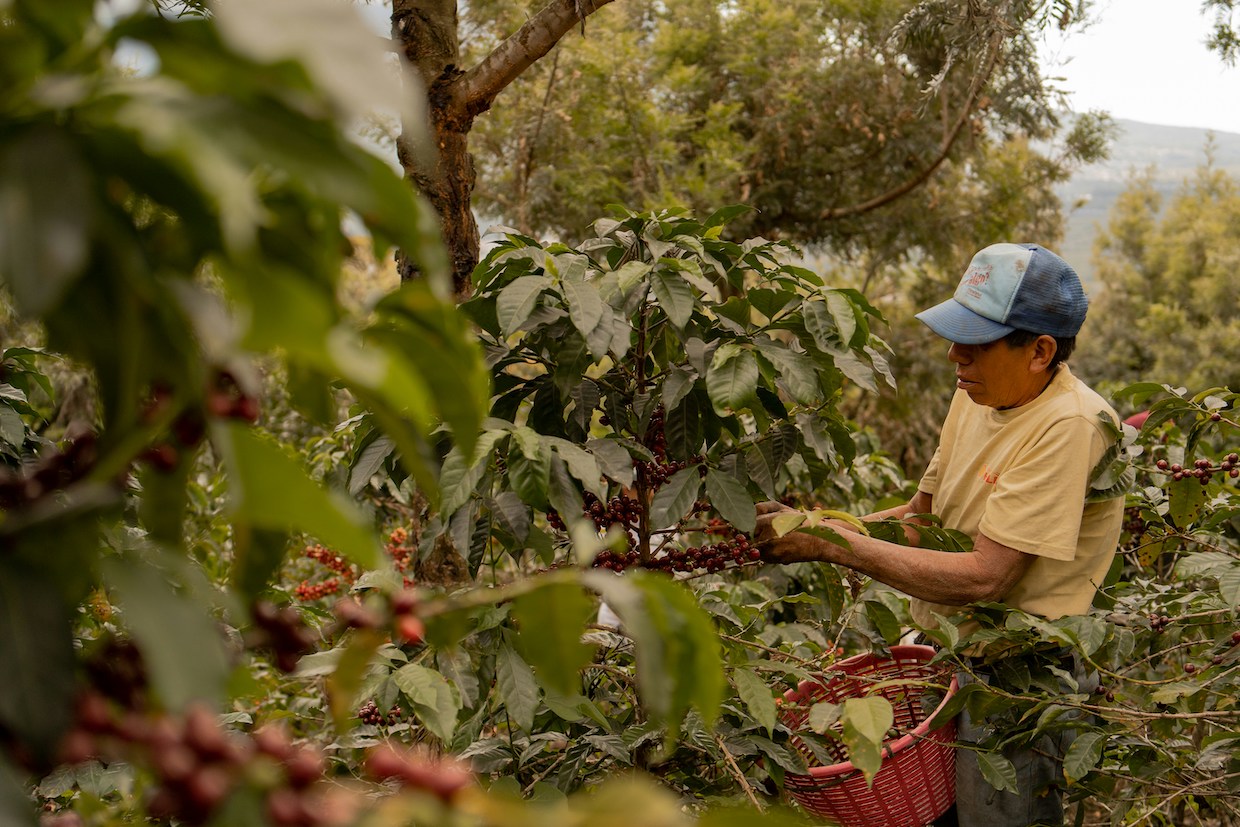
Photo by: Shelby Murphy Figueroa / Unsplash
When the European Union Deforestation Regulation (EUDR) comes fully into force, coffee exporters will no longer compete solely on quality or price. Increasingly, they will compete on their ability to demonstrate where coffee was produced, how it was monitored and whether national institutions can support compliance throughout the supply chain.
The EUDR represents a new generation of environmental regulation. Rather than regulating production directly, it conditions market access on the ability to demonstrate traceability, geolocation and compliance with environmental requirements.
For exporting countries, the challenge extends beyond meeting technical standards — it requires establishing institutional arrangements capable of translating regulations into operational practices.
Coffee Offers a Particularly Revealing Case
Brazil and Colombia are among the world’s leading coffee exporters and maintain strong commercial relationships with the European market. Yet despite facing the same regulatory requirements, the two countries appear to be following distinct adaptation pathways.
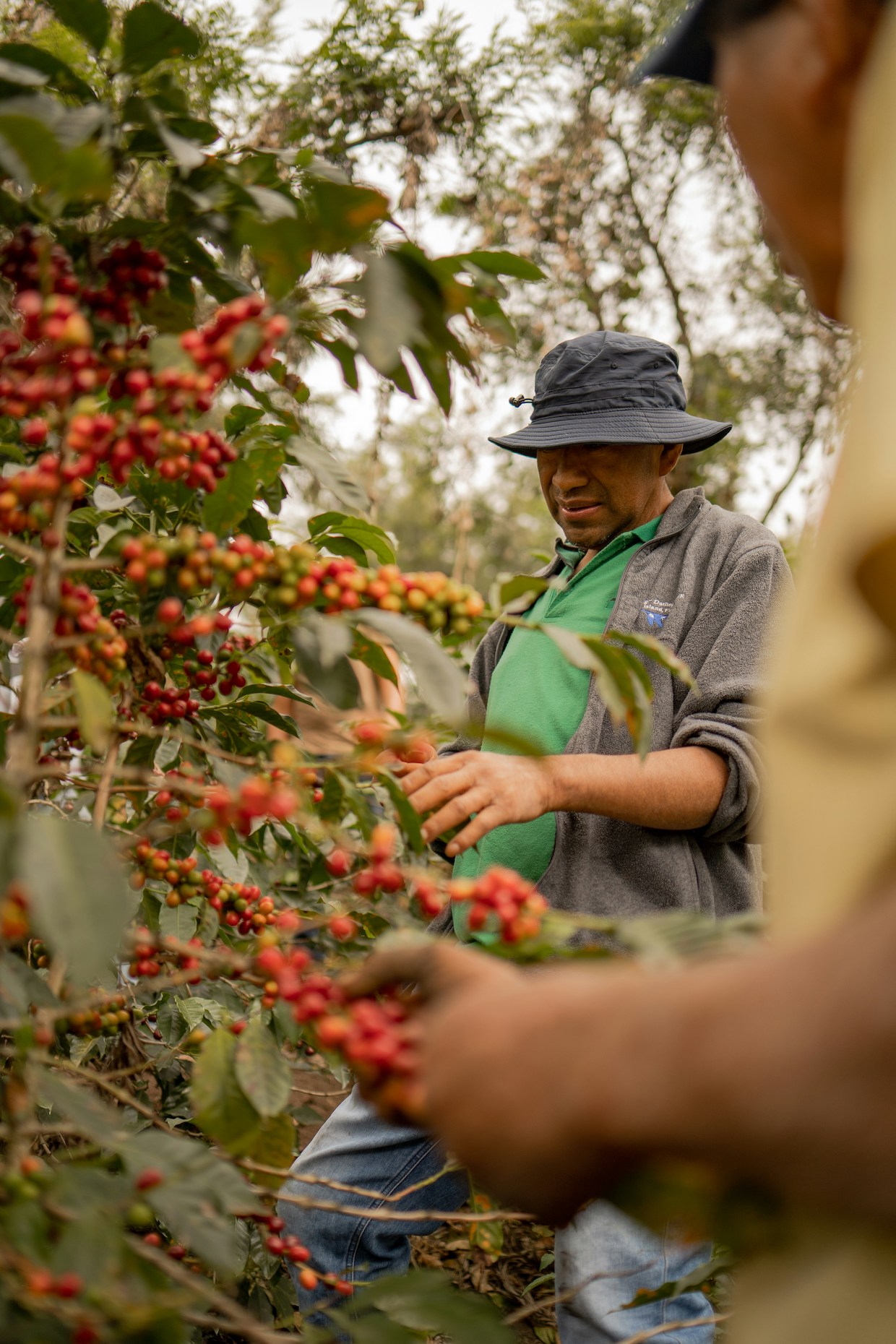
Photo by: Shelby Murphy Figueroa / Unsplash
Recent research conducted by scholars in Brazil and Colombia — including the authors of this column — examined how institutional capacity influences EUDR adaptation in the coffee sector. The study draws on nine semi-structured interviews with leaders and mid-level staff from major institutions responsible for supporting EUDR implementation in both countries.
The findings suggest that successful adaptation depends not only on producer characteristics or technical compliance requirements, but also on the institutional capacity available to coordinate implementation.
Same Regulation, Different Institutional Responses
At first glance, Brazil and Colombia might appear similarly positioned. Both are major coffee exporters with long-standing institutional structures supporting production and trade.
However, their governance arrangements differ substantially.
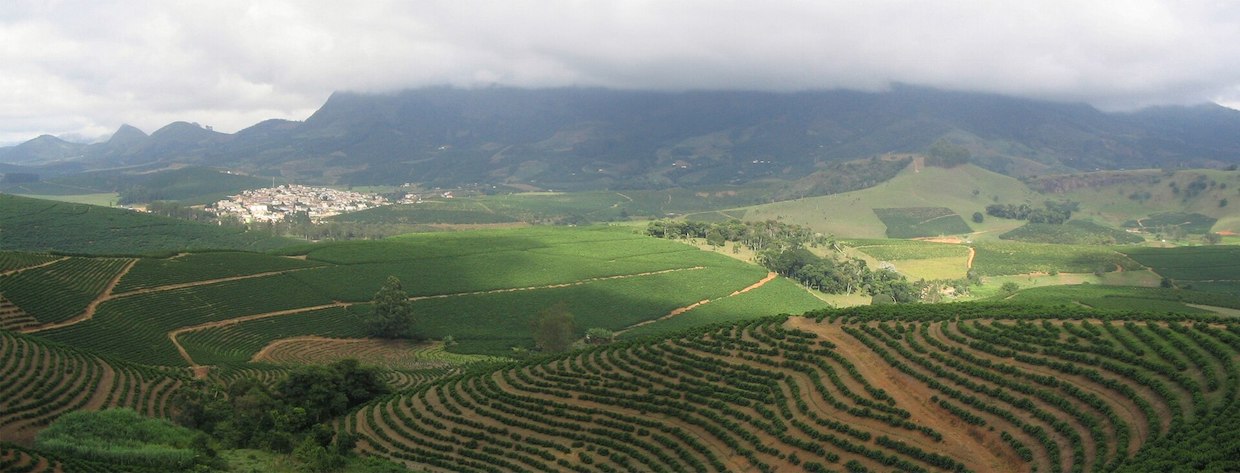
Photo by: Fernando Rebêlo (2004), licensed under CC BY-SA 3.0 via Wikimedia Commons.
In Colombia, coordination has historically been concentrated within the Federación Nacional de Cafeteros (FNC), an institution with strong legitimacy among producers and a long-standing role in organizing the sector.
This centralized structure appears to have accelerated adaptation efforts. Responses have included strengthening the Coffee Information System (SICA), expanding farm geo-referencing and supporting producers through technical guidance and capacity-building initiatives.
Brazil presents a different configuration. The Brazilian coffee sector operates through a broader and more decentralized institutional architecture involving cooperatives, exporters, sectoral associations and public agencies. This structure has generated multiple adaptation initiatives, including investments in collective traceability systems and sector-wide coordination platforms.
This diversity may create space for innovation and territorial flexibility, but it also increases coordination challenges and raises the costs of integrating information and implementation efforts across actors.
Institutional Capacity Matters More Than Expected
The comparison between Brazil and Colombia suggests that adaptation to environmental regulation is not simply a function of production scale, export dependence or producer profiles.
Instead, institutional arrangements appear to influence whether compliance becomes feasible.
Three institutional functions emerged as particularly important.
- Legitimacy helps generate trust and encourages producer participation.
- Centrality supports information coordination and reduces adaptation costs.
- Capacity to accommodate diversity enables implementation across producers with varying scales, resources, and technical capabilities.
Different institutional arrangements may achieve these functions through different mechanisms.
While more centralized systems may accelerate coordination and standardization, decentralized systems can encourage experimentation and adaptation to local realities — though they often require stronger mechanisms for integration and collective action.
What Policymakers and Coffee Sector Leaders Can Learn
For policymakers, the results suggest that international environmental regulation requires more than monitoring and enforcement.
Successful implementation depends on institutions capable of coordinating actors, generating data, supporting producers and reducing compliance costs.
Three priorities stand out.
1. Recognize intermediate institutions as implementation infrastructure — cooperatives, sectoral organizations, and coordination platforms play a critical role in converting regulatory requirements into operational practices.
2. Reduce compliance costs through shared systems — investments in interoperable data systems and collective traceability mechanisms can prevent duplication of effort and lower barriers for smaller producers.
3. Tailor implementation instruments to different producer realities — uniform approaches may unintentionally exclude actors with lower institutional capacity.
As environmental requirements increasingly shape access to global markets, the central question may no longer be whether producing countries can comply. It may be whether they have institutions capable of making compliance possible.
Comments? Questions? News to share? Contact DCN’s editors here. For all the latest coffee industry news, subscribe to the DCN newsletter.
Daily Coffee News does not engage in sponsored content of any kind. Any statements or opinions expressed belong solely to the authors and do not necessarily reflect the views of Daily Coffee News or its management.
Related Posts
Bruno Benzaquen Perosa, Ana María Parente-Laverde, Maria Sylvia Macchione Saes and Carlos Henrique Jorge Brando
Bruno Benzaquen Perosa, Ph.D., is a professor at the Federal University of Uberlândia and researcher at FGV Agro, specializing in agricultural governance and sustainability. Ana María Parente-Laverde, Ph.D., is a professor and researcher at the University of Antioquia, Colombia, specializing in sustainability and international trade in agricultural value chains. Maria Sylvia Macchione Saes, Ph.D., is a professor of Organizational Economics at the University of São Paulo (USP), specializing in agribusiness and institutional economics. Carlos Henrique Jorge Brando is a senior coffee consultant at P&A International Marketing and internationally recognized expert on global coffee markets.



Comment