


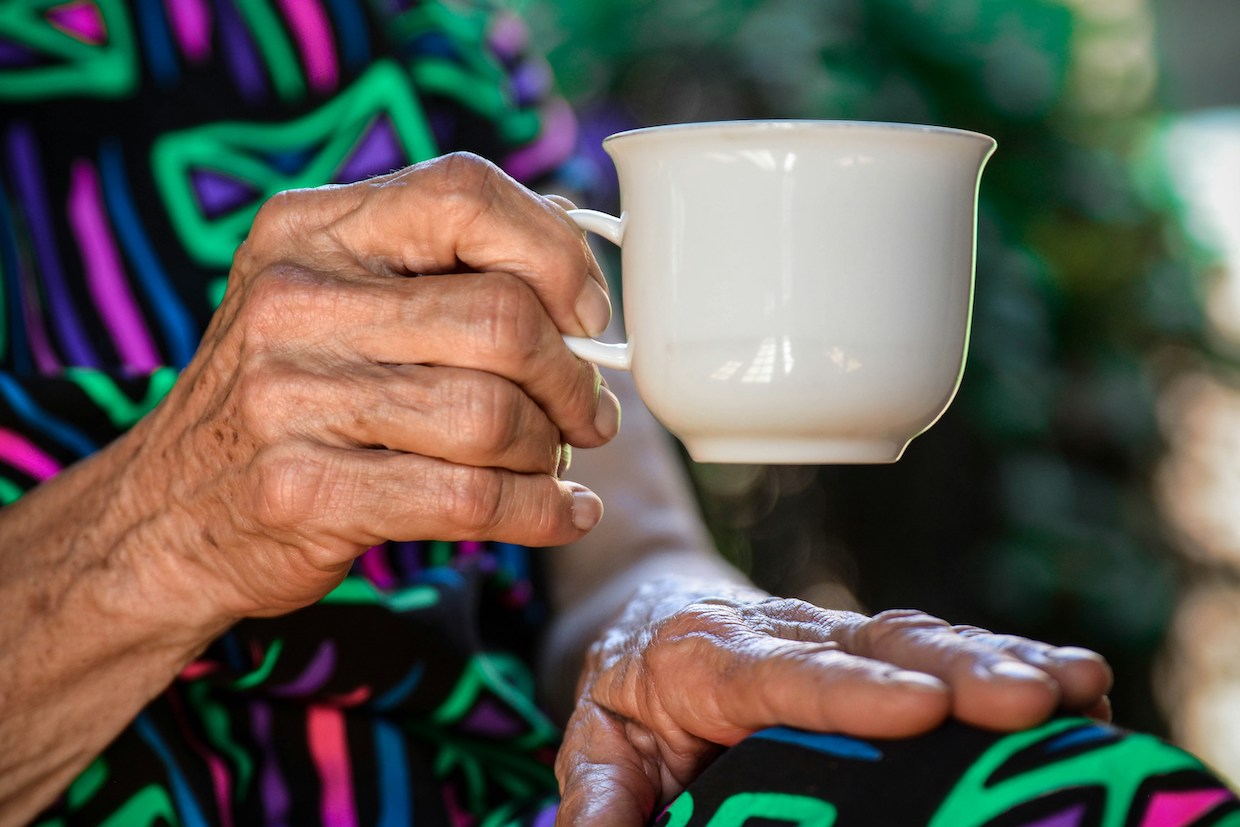
A recent study from The Netherlands adds to existing evidence that coffee consumption may reduce frailty in older adults.
Led by a team at Vrije Universiteit, the study drew data from the long-running Longitudinal Aging Study Amsterdam (LASA), which tracks older adults from throughout the country. It focused on older adults living in community settings.
Published in April in the European Journal of Nutrition, the study tracked adults aged 55 and older over a period of up to seven years.
Researchers found that those who reported drinking four or more cups of coffee daily had significantly lower odds of frailty compared to those who drank zero to two cups per day. Specifically, participants in the highest coffee consumption groups had about 64% lower odds of being frail.
“As the global population ages and the number of older adults increases, frailty will become an increasingly important issue in society,” the study authors wrote. “The condition imposes both individual and societal burdens, such as a lower quality of life, loneliness and an increased demand for long-term care.”

Although the strongest results were seen in current coffee drinkers, the researchers also examined participants’ midlife coffee habits, which were reported retrospectively. They found similar, though statistically weaker, associations.
A 2023 study of adults in Asia found significant reductions in frailty incidence in people who consumed coffee in midlife, while a more recent study found that women who drink coffee in midlife are healthier later in life.
It should be noted that the Amsterdam study was funded by the Institute for Scientific Information on Coffee (ISIC), whose members represent five of the largest coffee roasting companies in Europe. The authors declared no competing interests.
The new study did not find consistent links between coffee consumption and the earlier stage of pre-frailty, nor did it find statistically significant differences based on gender.
“Despite methodological differences and variations in previous study samples, the findings of our study are largely consistent with those of previous cross-sectional studies that observed an inverse association between coffee consumption and frailty,” the authors wrote.
However, unlike several previous studies on frailty and coffee consumption, the study looked at individual symptoms of frailty, finding that higher coffee intake was most strongly linked to a reduced risk of weight loss and weakness, and increased grip strength.
The authors proposed that the protective effects from coffee may be through the antioxidant and anti-inflammatory properties of coffee compounds, such as polyphenols. However, they also emphasized that the study was observational, meaning it cannot confirm whether coffee consumption directly prevents frailty in older adults.
Comments? Questions? News to share? Contact DCN’s editors here. For all the latest coffee industry news, subscribe to the DCN newsletter.
Related Posts



Comment