


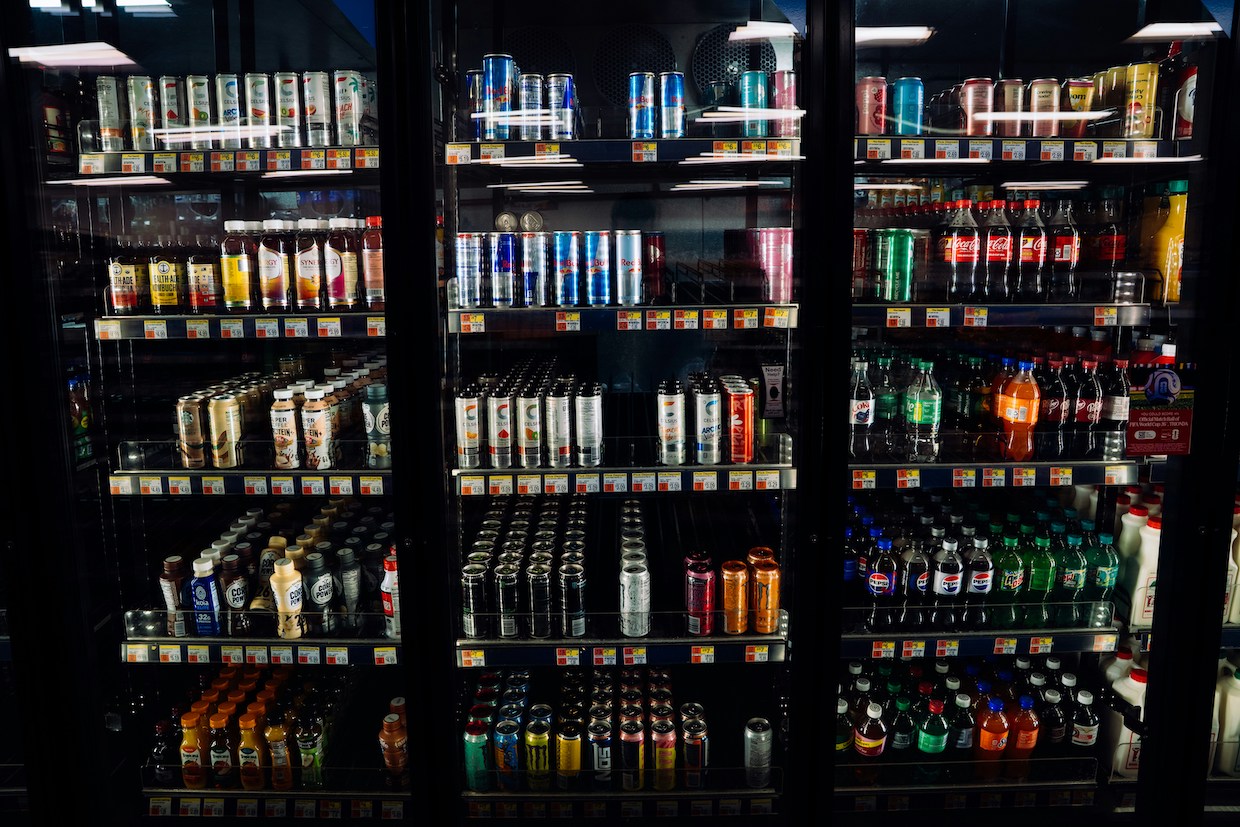
The U.S. Food and Drug Administration is considering new guidance on caffeine labeling, a move that could eventually reach some packaged coffee-based drinks, ready-to-drink products or cafe beverages with added caffeine.
The planned document, titled “Labeling Caffeine Content in Foods and Beverages; Draft Guidance for Industry,” appeared June 29 on the FDA’s updated 2026 Human Foods Program guidance agenda. The agenda identifies documents the agency considers priorities for the year, although it does not guarantee they will all be completed.
For now, coffee companies face no new rules. FDA guidance documents generally do not impose legally enforceable requirements, and the agency has not released proposed label language, identified the products that would be covered or established any deadlines for companies to change labels or menus.
In a related description of its 2026 priorities, the agency states:
- Guidelines for Caffeine Labeling: With the growing consumption of caffeinated beverages and foods, HFP will highlight industry best practices for labeling added caffeine content in foods in connection with both packaged foods and beverages and at retail and restaurant settings.
Under current FDA policy, packaged foods and beverages must identify caffeine in the ingredient list when it is added as a standalone ingredient. Companies are generally not required to state how many milligrams of caffeine the product contains.

Naturally occurring caffeine is treated differently. Roasted coffee does not need to list caffeine as a separate ingredient or disclose a caffeine amount simply because caffeine occurs naturally in coffee. Restaurants and other retail food businesses are also not currently required to tell customers how much caffeine is in the drinks they serve.
The proposed guidance follows mounting scrutiny of energy drink makers over allegedly inadequate warnings about health risks, particularly to children and teenagers. Criticism and calls for action have come from both sides of the aisle.
Texas Attorney General Ken Paxton opened an investigation into Celsius Holdings in June over the company’s representations and practices regarding energy drinks marketed to teens and children. Paxton’s office cited a lawsuit involving a 17-year-old Texas girl whose death was allegedly tied to excessive caffeine consumption from Alani Nu, an energy drink sold by Celsius-owned Alani Nutrition.
In July 2023, Senate Majority Leader Chuck Schumer sent a letter to the FDA “demanding” an investigation into energy drink maker Prime for allegedly targeting kids on social media with highly caffeinated drinks.
In a separate initiative, the FDA is currently considering a food-additive petition that could affect the continued use of methylene chloride in coffee decaffeination.
Comments? Questions? News to share? Contact DCN’s editors here. For all the latest coffee industry news, subscribe to the DCN newsletter.
Related Posts
Nick Brown
Nick Brown is the editor of Daily Coffee News by Roast Magazine.



Comment