

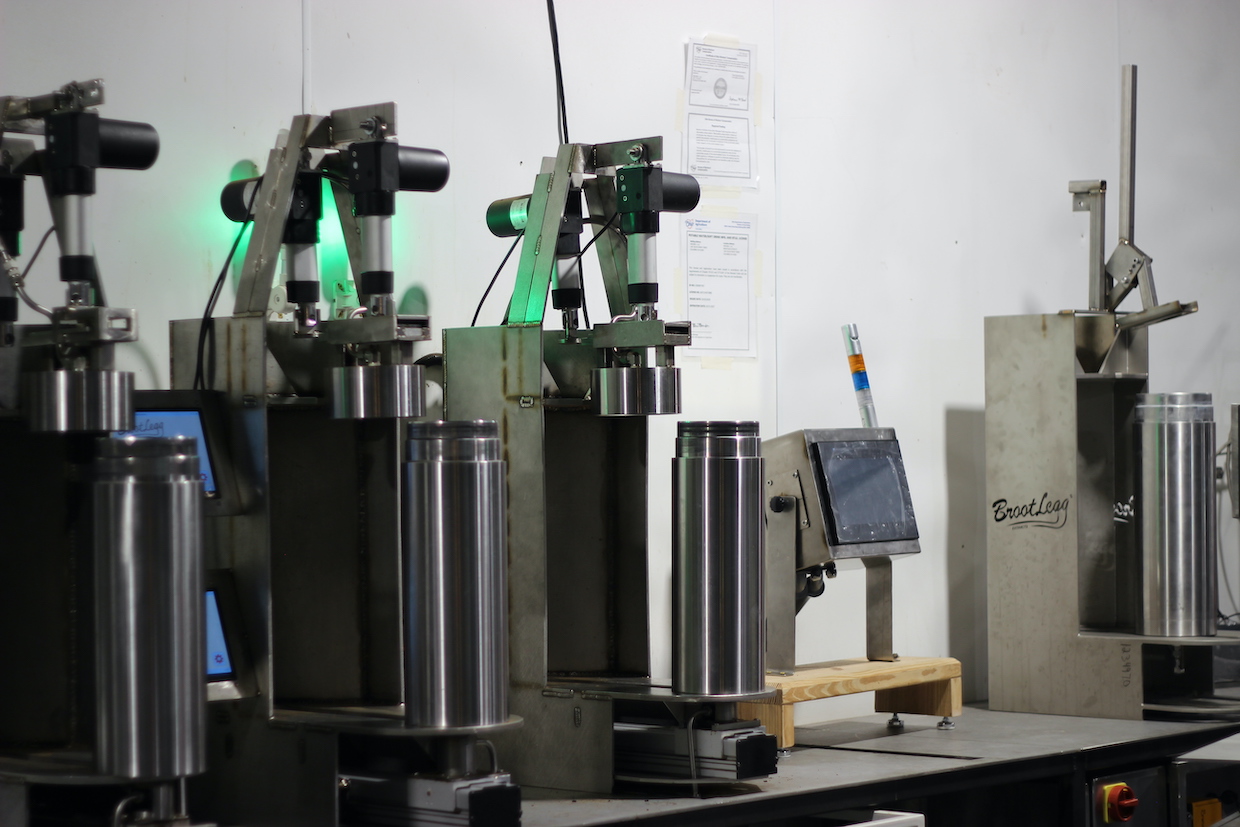
BrootLegg Extracts production machines. All images courtesy of BrootLegg.
Columbus, Ohio-based BrootLegg Extracts has launched business-to-business cold brew production services using equipment of its own design. The company is also showcasing its capabilities through a house line of ready-to-drink (RTD) bottled cold brews.
Inspired partly by commercial espresso equipment, the BrootLegg system pushes water through a sealed stainless steel canister at up to 1,200 psi, or about 82.7 bar, more than nine times the pressure of a standard 9-bar espresso extraction.
Built primarily for cold-water extraction, the system also supports a hot bloom phase and adjustments to brew ratio, temperature and pressure. The machine is roughly the size of an upright coffee shop batch brewer, with a base housing the pump, valves, heating system and electronics, plus a stainless steel extraction canister.
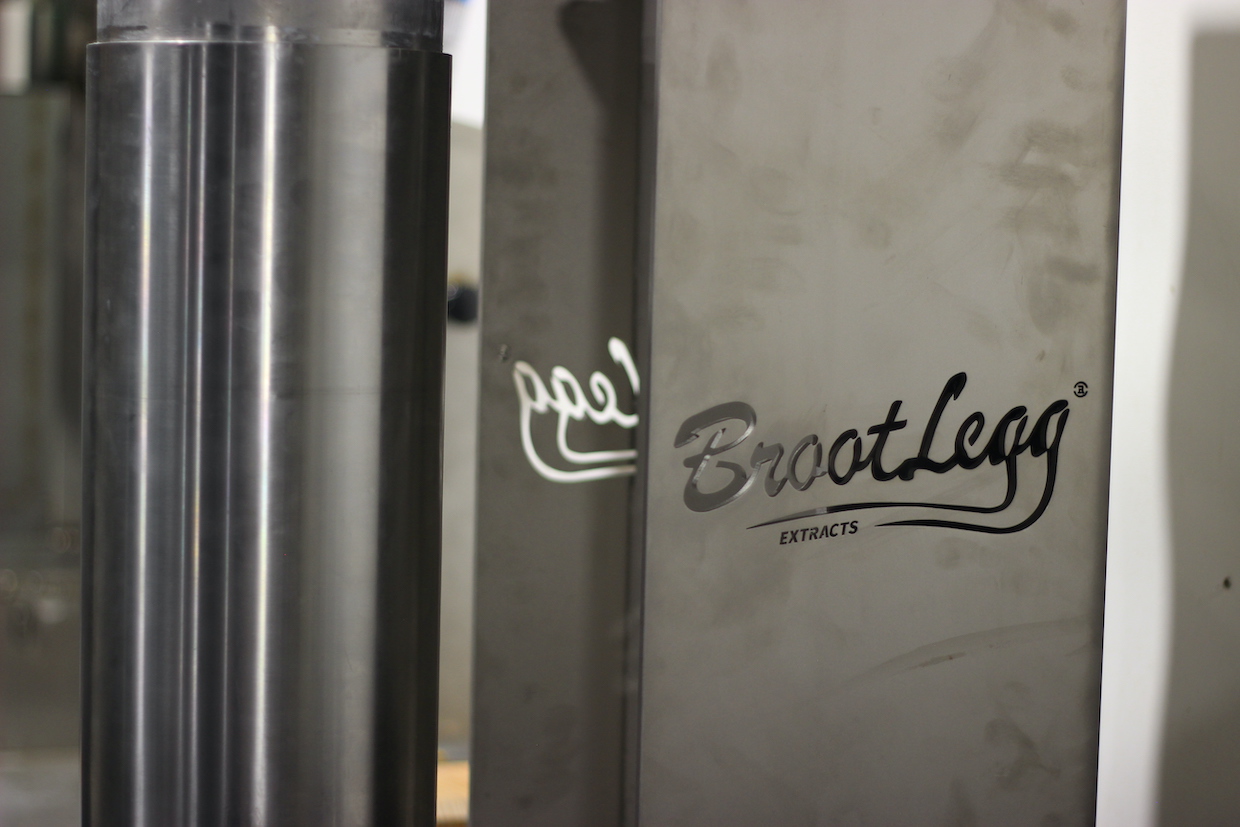
Machines now running inside BrootLegg’s 5,000-square-foot production facility are designed to produce five gallons of RTD cold brew in a 45-minute cycle, using just 2 to 3.5 pounds of coffee.
Compared with extended-immersion cold brewing, BrootLegg’s 45-minute process is faster, uses less space and requires no disposable filtration media, the company says.
“The canister is sized to only hold the coffee grounds or extraction medium, like an extra-heavy-duty portafilter on an espresso machine,” BrootLegg Co-Founder Willy Kramer told Daily Coffee News.
BrootLegg currently offers cold brew production as a service, with plans to produce and distribute its equipment to cafes and roasteries. The company said the system will be designed to scale through larger or additional canisters attached to a single base, without changing the brew time.
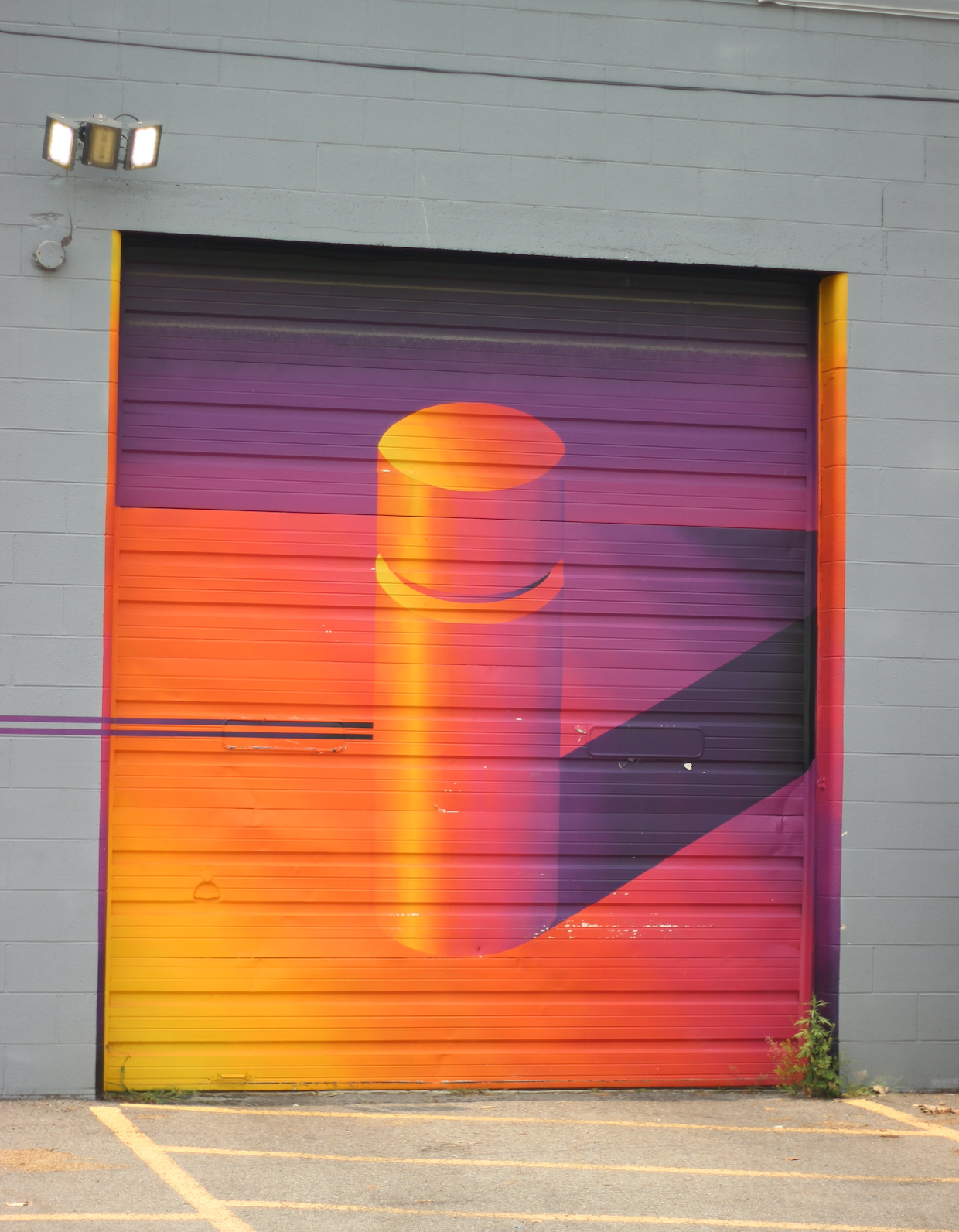
BrootLegg mural.
“We describe our technology as ‘infinitely scalable,'” co-founder Colin Giacalone told Daily Coffee News. “Vessel size and vessel quantity can increase without jeopardizing the quality of the liquid product. Increasing the size of the vessel will increase the liquid yield while keeping the brewing time the exact same. We will soon be able to make about 100 gallons of product in a single batch, all of varying recipes from RTD cold brew at 1.8% TDS to a concentrate at 8% TDS.”
BrootLegg’s brewing system was developed by Giacalone, Kramer and third co-founder Chadwick Carter, whose respective backgrounds include chemical engineering, welding and barista work, and software engineering.
Giacalone and Kramer met in 2017 at the Columbus coffee shop where Kramer was working at the bar. They became coworkers and friends, then began rethinking the cafe’s cold brew process as an engineering problem.
Two years later, Carter joined the team in Kramer’s basement lab, where the founders had rewired for higher voltages, cut into the plumbing and fabricated a blast shield “in case anything went sideways.”
“The first thing I worked on was programming the valve turns so none of us had to walk out and depressurize the first system,” Carter told DCN.
By 2021, the team was sharing samples with Brioso Coffee Owner Jeff Davis. That led to a BrootLegg machine in Brioso’s roastery-cafe backroom, where the team continued R&D while producing cold brew for the shop.
The system received its first U.S. patent in 2022, then the BrootLegg founders began building out a production warehouse in Columbus’s Merion Village neighborhood. By late 2023, after raising equity financing from a small group of local investors, the facility was running and BrootLegg Extracts had officially launched.
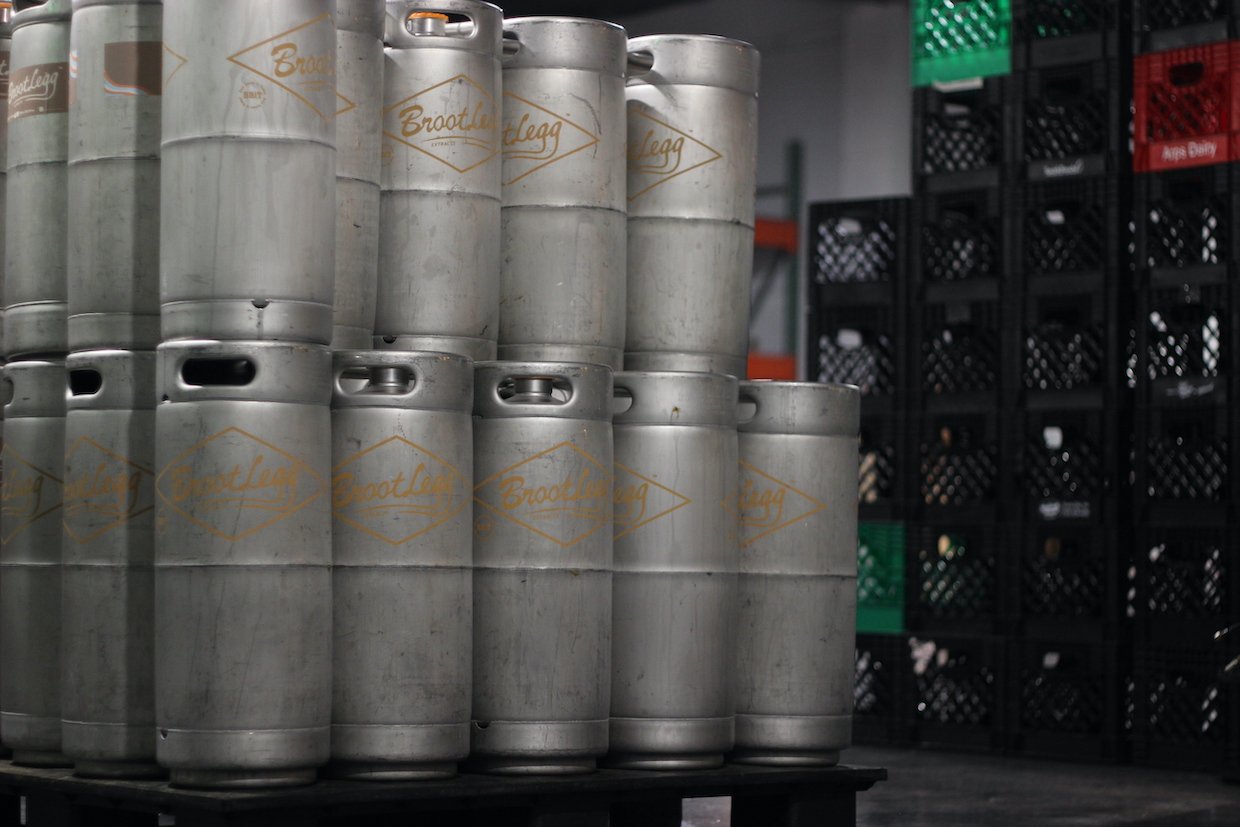
The company now runs four machines, with more in production. It supplies more than 120 coffee shops, bars, restaurants and offices throughout Central Ohio with cold brew and concentrate, while selling its own bottled RTD cold brews made with Brioso-roasted coffees.
“One of the things that we love about coffee is how many people do an awesome job of making it,” Kramer said. “We pride ourselves on the fact that we can make products with any bean, supporting shops and businesses of all sizes with products they can call their own.”
BrootLegg has also partnered with Columbus-based commercial kitchen equipment manufacturer Grote Company to scale production of the brewing systems.
“It’s so cool to see someone else make one of our pieces of technology,” Kramer said. “We’re excited to explore how we could further distribute our goods and service, as well as the equipment, to the coffee industry.”
Comments? Questions? News to share? Contact DCN’s editors here. For all the latest coffee industry news, subscribe to the DCN newsletter.
Related Posts
Howard Bryman
Howard Bryman is the associate editor of Daily Coffee News by Roast Magazine. He is based in Portland, Oregon.
Comment