


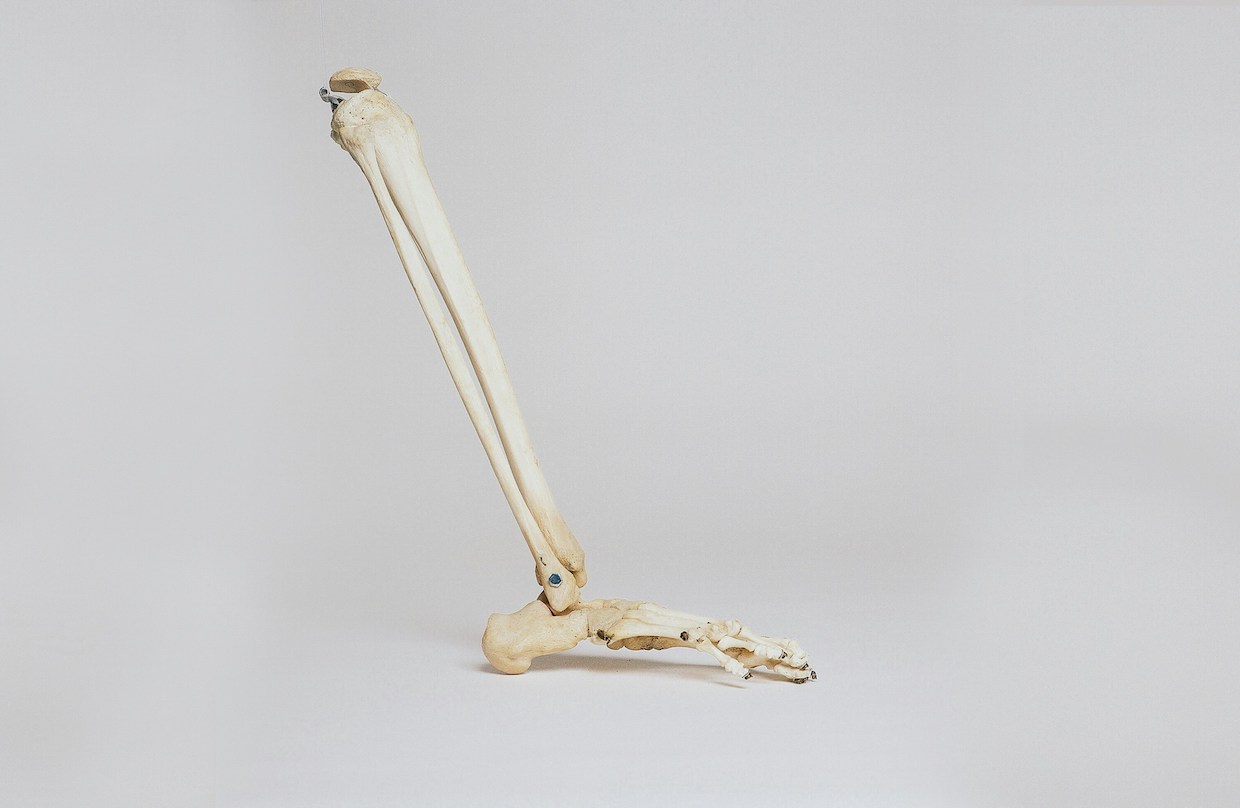
A recent study published in Scientific Reports suggests drinking higher amounts of coffee may significantly reduce the risk of osteoporosis, the bone-weakening disease that affects millions of older adults worldwide.
The study, led by a research team affiliated with the Guangzhou University of Chinese Medicine in China, analyzed data from the (U.S.) National Health and Nutrition Examination Survey (NHANES) involving 2,863 adults.
The research suggested that people drinking the equivalent of about two cups of coffee daily have 60% lower odds of developing osteoporosis than people who drink little or no caffeine. The protective effect of caffeine kicked in at around 107 milligrams of caffeine per day, roughly equivalent to one strong cup of coffee or two cups of tea.
People consuming more than 168 milligrams daily — about two cups of coffee — showed the strongest protection against bone loss. The relationship followed an “L-shaped” curve, meaning the benefits leveled off after reaching that moderate intake level.
“Caffeine is the most famous component of coffee and is widely used as a daily stimulant in people’s work and lives,” the study authors wrote. “It has now been recognized for its potential benefits in the central nervous system, cardiovascular system and neuroendocrine system. The role of caffeine in orthopedics has become increasingly recognized as research progresses.”

To determine whether caffeine actually causes better bone health — rather than just being associated with it — the researchers employed a Mendelian Randomization (MR) method, which accounts for genetic variations.
The study found that people who were genetically predisposed to drink more coffee had lower osteoporosis rates. Importantly, the reverse wasn’t true — having osteoporosis didn’t influence coffee drinking habits — suggesting caffeine intake genuinely helps protect bones.
“This study, through the integration of cross-sectional and MR analyses, provides strong evidence of a negative causal relationship between caffeine intake and OP [osteoporosis],” the researchers concluded.
The authors did note that the association between caffeine and bone health remains debated, “as observational studies have produced mixed and conflicting results.”
Further, the authors noted that caffeine reporting from study participants may be somewhat unreliable, and that the study populations for the MR analysis were primarily from the U.S. and Europe, which “may limit the generalizability of the findings.”
Comments? Questions? News to share? Contact DCN’s editors here. For all the latest coffee industry news, subscribe to the DCN newsletter.
Related Posts



Comment