


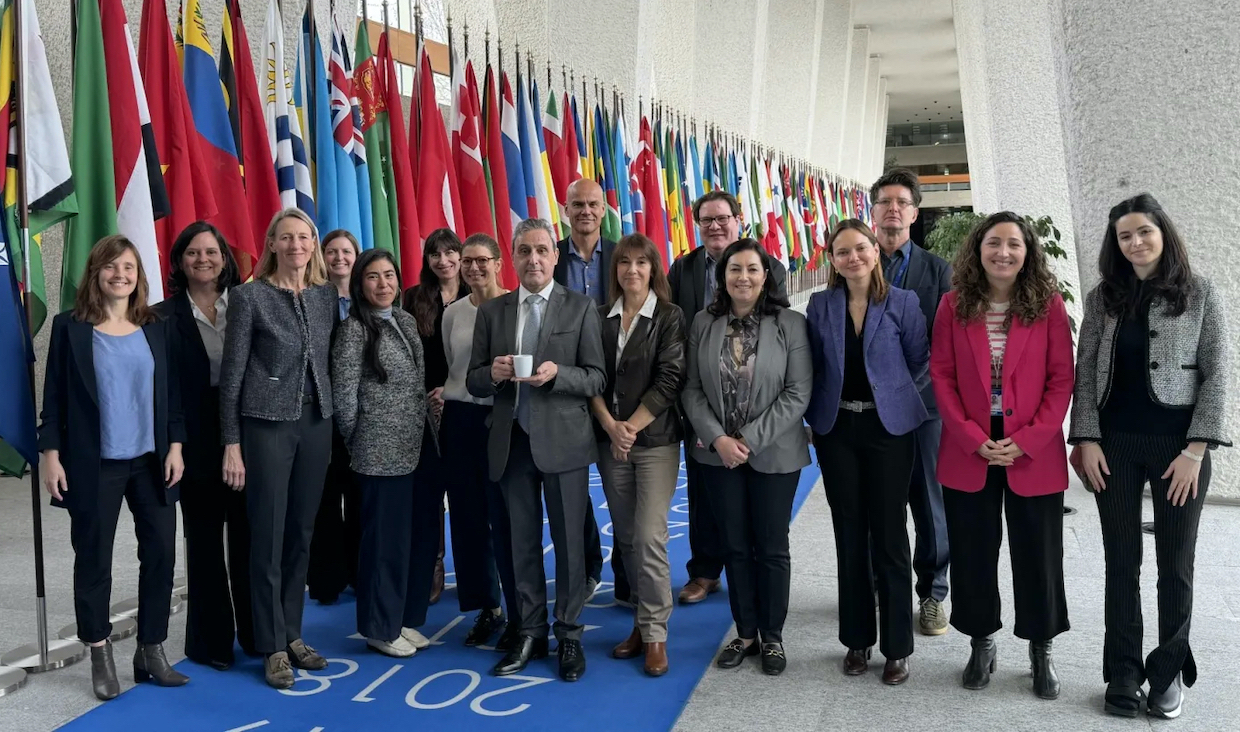
ILO and Nestlé representatives in Geneva, Switzerland. ILO press release photo.
Nestlé and the International Labour Organization have announced a new two-year project on labor rights in coffee supply chains, focusing on three of the world’s major producing countries: Brazil, Colombia and Mexico.
The project, titled “From fair recruitment to worker protection in coffee supply chains,” extends a long-standing relationship between the two organizations and is supported by the Nescafé Plan, Nestlé’s in-house global sustainability program for its Nescafé brand.
Neither Nestlé nor the ILO disclosed the project budget in joint announcements today.
“Decent work deficits in coffee supply chains persist, particularly among seasonal and migrant workers,” Dan Rees, director of the ILO Priority Action Programme on Decent Work in Supply Chains, said in an announcement of the program. “Through this project, we aim to advance labour rights and promote decent work and contribute to more sustainable supply chains.”
The program announcement comes against a well-documented backdrop of labor issues throughout the coffee sector, including in Nestlé’s own supply chains.
In 2020, Nespresso released an action plan after a news investigation found excessive child labor on farms in Guatemala that supplied the brand. More recently, a December 2024 joint investigation by China Labor Watch and the nonprofit Coffee Watch alleged a pattern of labor violations at farms supplying both Nestlé and Starbucks in China’s Yunnan Province, including excessive hours, low wages and unprotected pesticide exposure. Nestlé told DCN at the time that it was taking the allegations “very seriously” and had contacted suppliers to investigate.
The problems extend beyond any single company or brand. According to ILO data, coffee ranks fourth among all agricultural commodities associated with child labor globally, as measured by the number of countries affected.
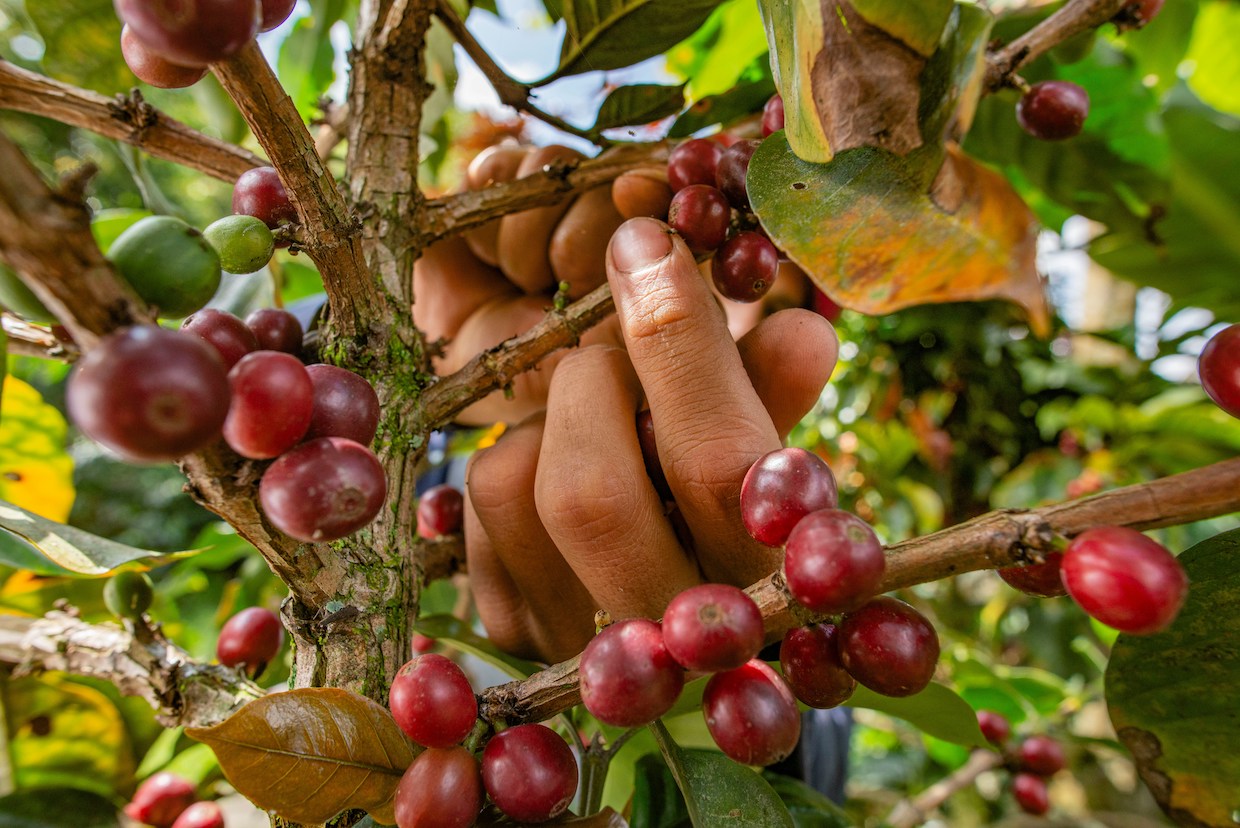
Meanwhile, seasonal and migrant farmworkers — who make up a large share of the coffee harvest labor force but often work without contracts, formal wages or legal protections — are consistently identified as the most vulnerable population in the coffee sector. Brazilian officials said they rescued more than 200 coffee workers from “slave-like” conditions in 2024 alone.
The new Nestlé-backed project is tied to two existing ILO frameworks: the ILO Fair Recruitment Initiative, which works to advance transparent recruitment practices for workers globally, and the ILO’s flagship Safety + Health for All program, specifically its Vision Zero Fund, which promotes safe and healthy working environments in supply chains.
The ILO said it will use its position to facilitate dialogue among governments, the private sector and worker organizations to identify the “key drivers of decent work deficits and labour-related risks.”
The two organizations have previously worked together on occupational safety and health programs for smallholder farmers in Vietnam and Indonesia, both conducted under the Vision Zero Fund.
Comments? Questions? News to share? Contact DCN’s editors here. For all the latest coffee industry news, subscribe to the DCN newsletter.
Related Posts



Comment