


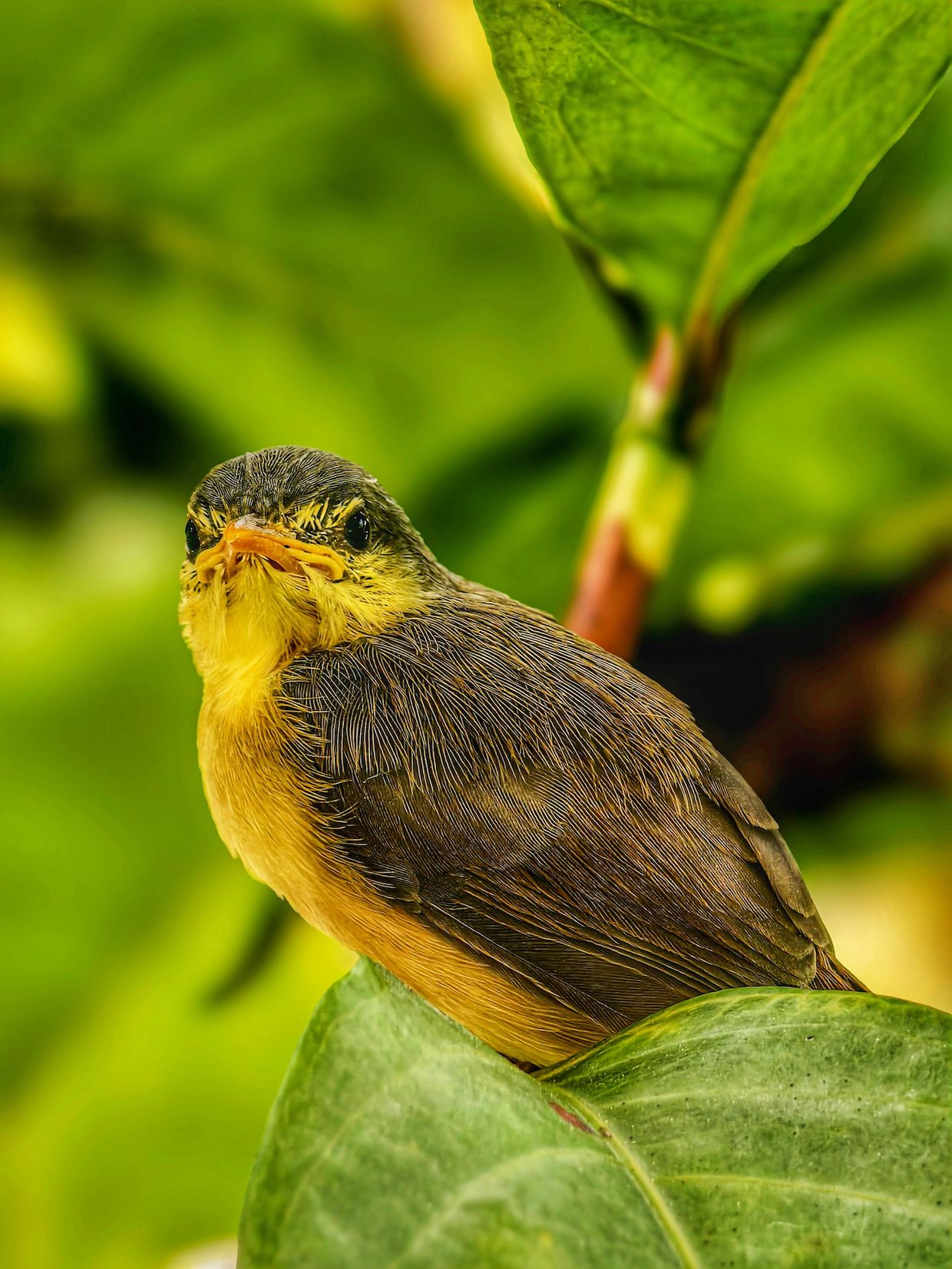
Shade-grown coffee has long been promoted as a key means of protecting bird diversity in tropical coffee regions. A new study from the Colombian Andes complicates that picture, finding that the amount of intact forest near farms may be just as critical to bird conservation.
One practical implication for the coffee sector may ultimately be the study’s influence on third-party environmental certifications and conservation planning.
The research was led by ecologists with SELVA with co-authors from the Smithsonian Migratory Bird Center, which administers Smithsonian Bird Friendly, the coffee industry’s most rigorous third-party standards for shade-grown coffee.
The certification currently requires 40% canopy cover, 10 different shade tree species per hectare and organic certification, which aligns with the study’s recommended thresholds. The new study’s modeled thresholds partly overlap with those standards, while also suggesting that stronger local shade and tree-diversity requirements may be needed where surrounding forest cover is lower.
Inside the Study
In the new study, published in the June issue of the Journal of Applied Ecology, researchers tracked bird communities across sun coffee, shade-grown coffee and forest habitats in Cundinamarca Department in Colombia’s Eastern Andes.
Researchers sorted the birds into habitat “guilds,” including forest specialists, generalists and open area specialists, as well as diet guilds including frugivores, insectivores, granivores, nectarivores and omnivores. They also tracked species of conservation concern and Neotropical-Nearctic migratory birds.
The key finding was that forest cover within a 2-kilometer radius positively predicted bird occupancy among each of those guilds, across coffee and forest habitats and in both seasons surveyed.
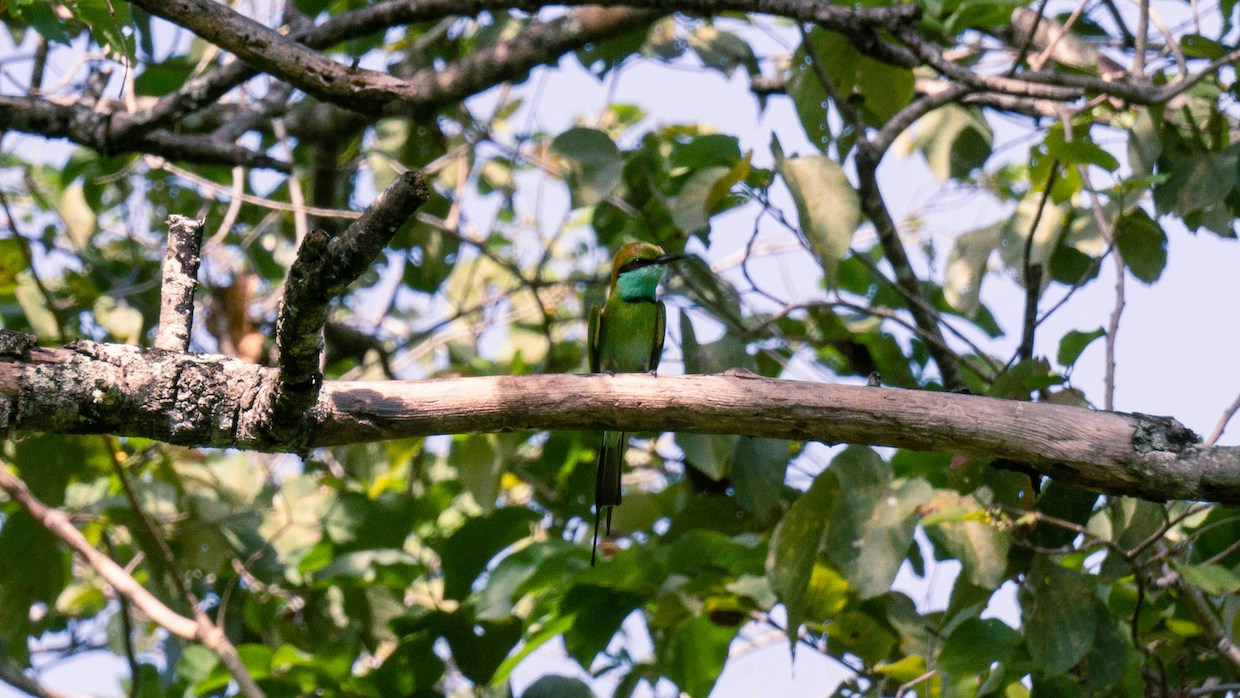
Forest specialists were the most sensitive. They required forest habitat with more than 32% forest cover within a 2-kilometer radius to reach median occupancy. The paper found forest specialists were nearly absent from coffee farms, while generalists were more flexible but still responded to landscape context.
Dense, diverse shade coffee benefited generalists, frugivores, insectivores and nectarivores. Sun coffee and early successional forest — characterized by less shade — benefited granivores and omnivores.
Seasonal patterns added another complication, with multiple bird types shifting toward forest habitats during the December-January season. The research team suggests that different habitats serve different functions at different times of year and that maintaining both forest and well-managed shade coffee is essential to supporting bird communities year-round.
Shedding More Light on Shade
Earlier Smithsonian- and SELVA-linked research in Colombian coffee landscapes similarly suggested that biodiversity conservation requires both land sparing and land sharing, in this case, a combination of forest conservation and shade coffee. Earlier DCN coverage also noted that “shade-grown” alone does not necessarily mean bird-friendly.
This new paper pushes those ideas further, illuminating bird occupancy patterns within coffee landscapes.
It also adds to the broader understanding of shade coffee’s various benefits. A 2025 DCN feature on how shade coffee lends conservation a hand explored the ecological services birds provide to coffee farms, including eating coffee berry borers. A 2019 story on shade-grown vs. Bird Friendly standards noted that native tree composition matters as much as canopy cover.
The new study was funded by the Knobloch Family Foundation and Smithsonian Working Lands and Seascapes. No competing financial interests were declared. Two co-authors — T. Scott Sillett and Ruth E. Bennett — are affiliated with the Smithsonian’s Migratory Bird Center.
Comments? Questions? News to share? Contact DCN’s editors here. For all the latest coffee industry news, subscribe to the DCN newsletter.
Related Posts



Comment