

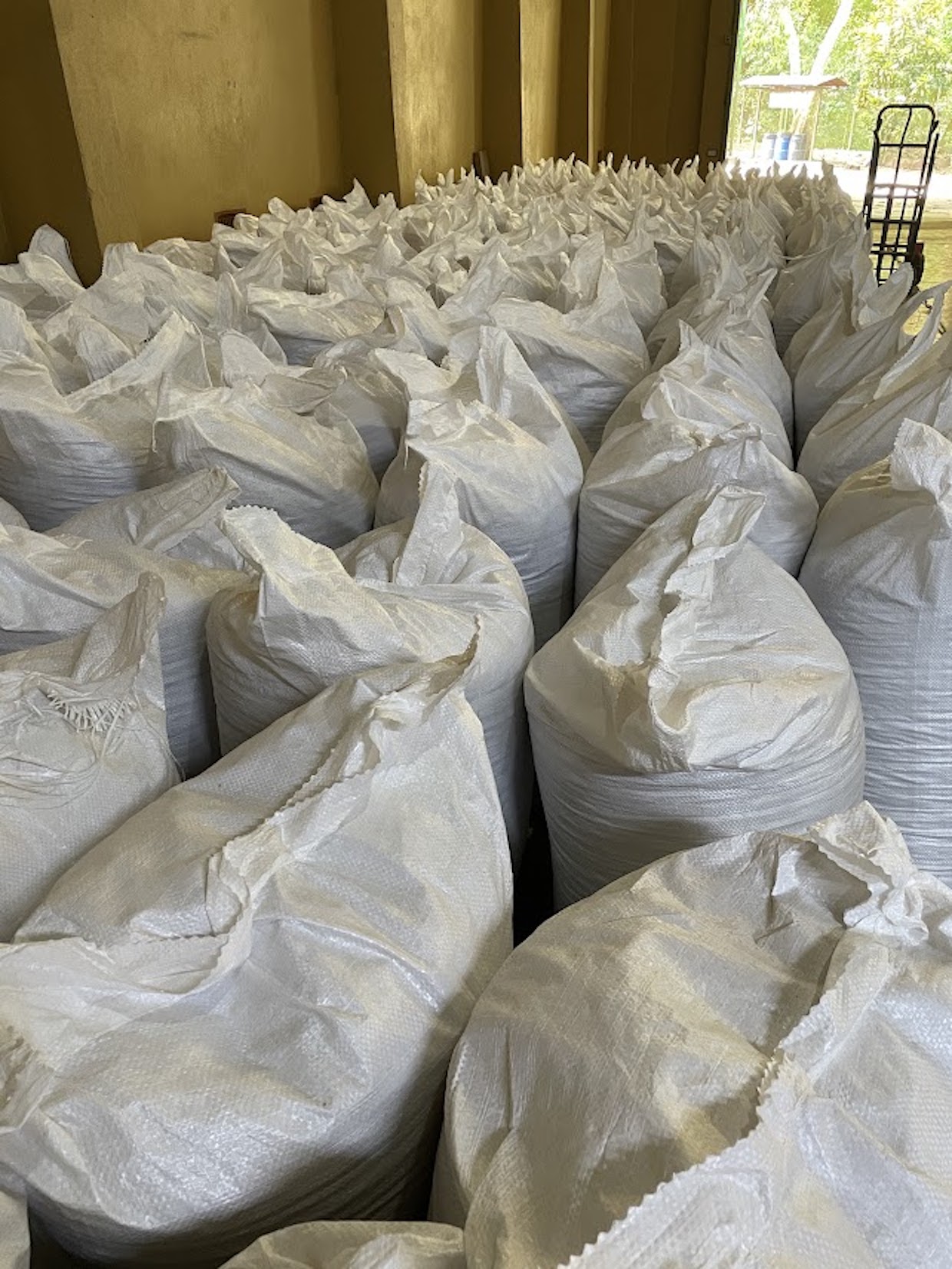
Daily Coffee News photo by Nick Brown.
A new global coffee supply chain analysis from the nonprofit Trase gives fresh numerical weight to the fact that a relatively small group of companies accounts for a large share of the world’s green coffee flow.
Trase obtained per-shipment export records from 10 producing countries that together accounted for 81% of global coffee exports in 2020. Just 10 companies accounted for 35% of global coffee exports, while the top 30 accounted for 55%.
Given the 2020 data, the report should not be taken as a direct current market reflection. However, consolidation in the green coffee industry has generally increased since that time. Trase, a traceability-focused nonprofit initiative founded by the Stockholm Environment Institute and Global Canopy, has made the dataset freely available.
Tracing Coffee
Trase’s report leads with the idea that coffee supply chains remain, generally speaking, opaque, meaning “consumers and companies have limited visibility of where their supply comes from” and therefore struggle to identify links to things like human rights violations or environmental degradation.
“For coffee, these challenges have received less attention compared to other internationally traded commodities such as beef, soy and palm oil,” the report states. “Improving transparency and sustainability is complicated by the prevalence of smallholder farmers and farmer poverty.”
The report comes as the European Union Deforestation Regulation (EUDR), which includes traceability requirements for coffee, is set to begin applying on Dec. 30, 2026.
“The EU imports 40% of global coffee, but the companies that supply it cover nearly four-fifths of the global market,” Trase researcher and report co-author Mark Titley said in an announcement. “Once they’ve put processes for traceability and compliance in place, many of them could plausibly extend these standards to markets beyond Europe.”
Inside the Report
The dataset maps coffee exports from major producing countries to destination markets, while identifying leading exporter and importer companies.
The analysis names Olam as the largest exporter among the assessed companies, accounting for 7.6% of supply, followed by Louis Dreyfus Company at 4.1%, Neumann Gruppe at 3.4% and Sucafina at 3.0%. Trase noted that some other leading exporters are country-specific actors, including Brazil’s Cooxupé and the Federación Nacional de Cafeteros de Colombia.
On the import side, Trase identified Neumann Gruppe as the largest importer by trade volume among shipments with known importer records, at 6.8%, followed by Nestlé at 5.5% and Olam at 4.6%. The importer ranking includes additional consumer-facing coffee companies such as Starbucks (eighth) and Lavazza (11th), although Trase found that much of the global coffee trade is handled by less consumer-facing trading
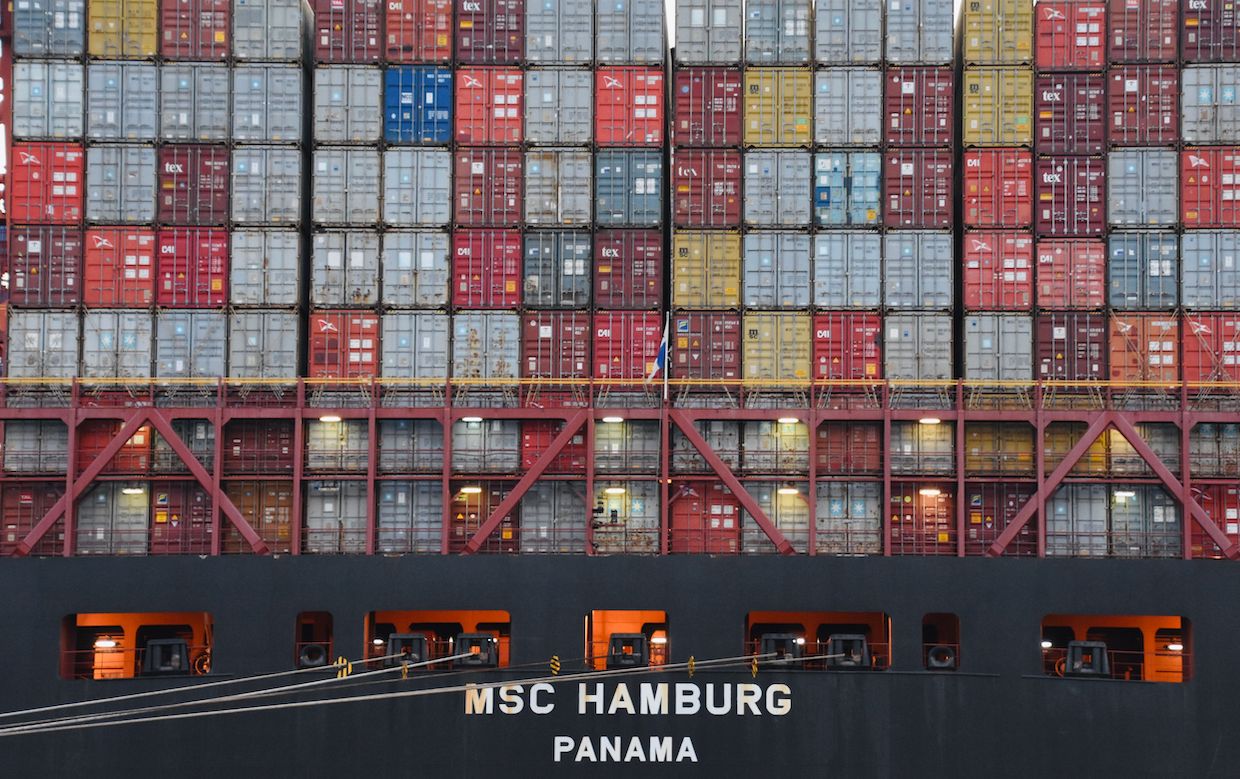
The dataset also reinforces the dominance of the largest producing and consuming markets. Brazil supplied 32% of global coffee exports in 2020, followed by Vietnam at 18%, Colombia at 9% and Indonesia at 7%. Together, those four countries supplied two-thirds of the world’s coffee, according to Trase. The European Union accounted for 40% of global coffee imports from producing countries, followed by the U.S. at 18%.
Within the EU, the import picture is even more concentrated. Germany, Italy and Belgium together accounted for 71% of EU coffee imports, although much of that coffee is later re-exported or consumed elsewhere. Trase also found that some producing countries are especially dependent on EU demand, including Uganda, Honduras and India, each with roughly 57% to 58% of exports tied to the EU market.
Understanding Market Concentration
The Trase analysis is not presented as commercial market research. The group frames it instead as an accountability tool, designed to show where influence, exposure and responsibility may sit as regulations such as EUDR come into play.
Regarding the concentrated flow of green coffee, the Trase findings generally align with the most recent Coffee Barometer, which argued that market concentration, unequal bargaining power and opaque commercial terms continue to shape how value and risk are distributed across the coffee sector. It said the top five traders’ share of global green coffee trade rose from roughly 30% in 2018 to an estimated 50% by 2025.
Comments? Questions? News to share? Contact DCN’s editors here. For all the latest coffee industry news, subscribe to the DCN newsletter.
Related Posts
Nick Brown
Nick Brown is the editor of Daily Coffee News by Roast Magazine.


Comment