


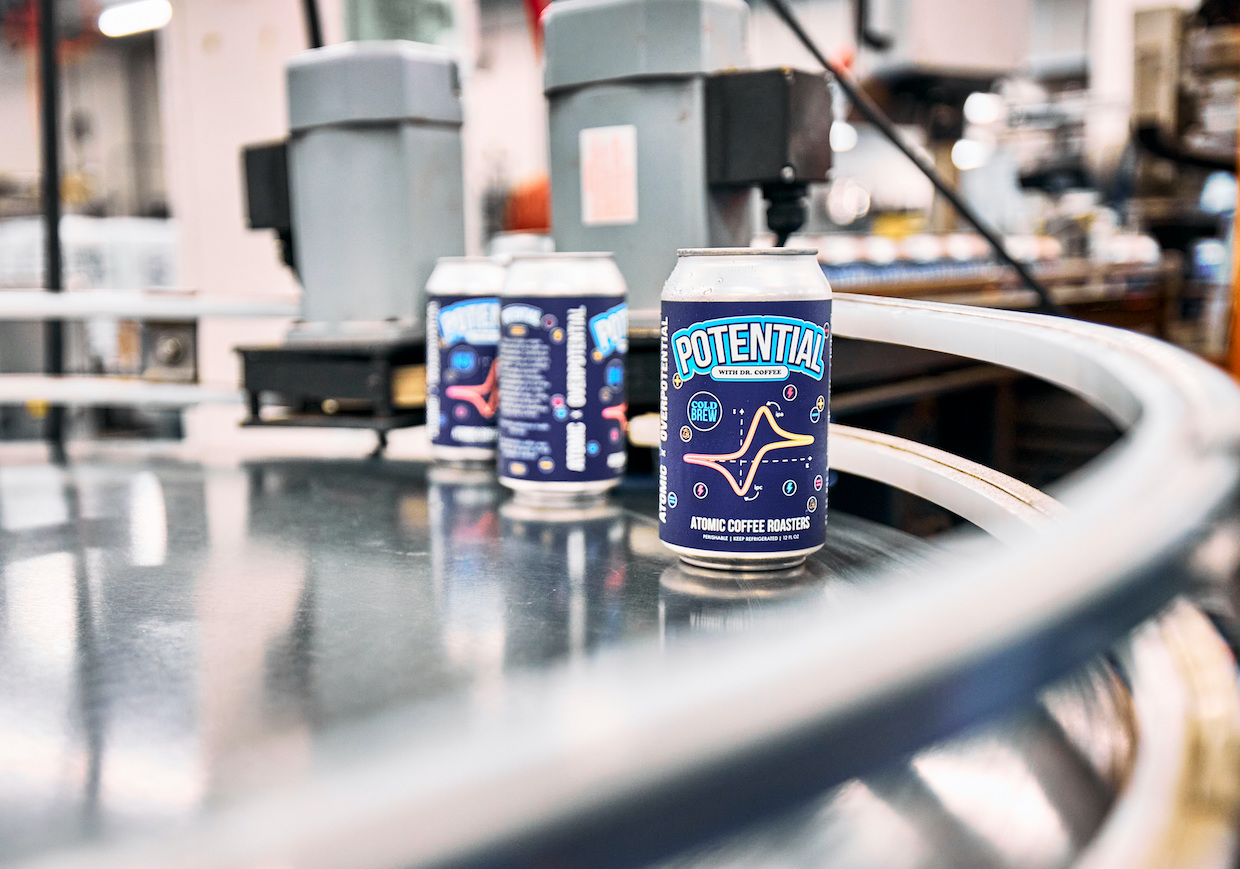
The new Potential cold brew cans being produced at Atomic Coffee Roasters’ cold brew facility in Danvers, Massachusetts. Photo by Ricky Ortiz / Ohrteez Media. Courtesy of Atomic Coffee Roasters.
Massachusetts-based roasting company Atomic Coffee Roasters is proposing a literal jolt of innovation within the cold brew category with the upcoming launch of Potential, a brew subjected to electrochemical treatment.
Atomic is producing the coffee using its standard cold-brew method before routing the liquid through a process designed by startup company Overpotential, which applies electrochemical treatments involving low-voltage electrical currents to alter flavor compounds in liquids.
“Cold brew is a big part of what we do at Atomic, and we love it, but there’s a ceiling,” Atomic Coffee Roasters President Spencer Mahoney told Daily Coffee News. “Some coffees work better cold than others, and a lot of the limited single origins we’re proudest of on the roasting side never end up in a can, because the process won’t do them justice.”
Mahoney described the electrochemical treatment as opening a door for more flavor possibilities among existing coffees and cold brew formulations.
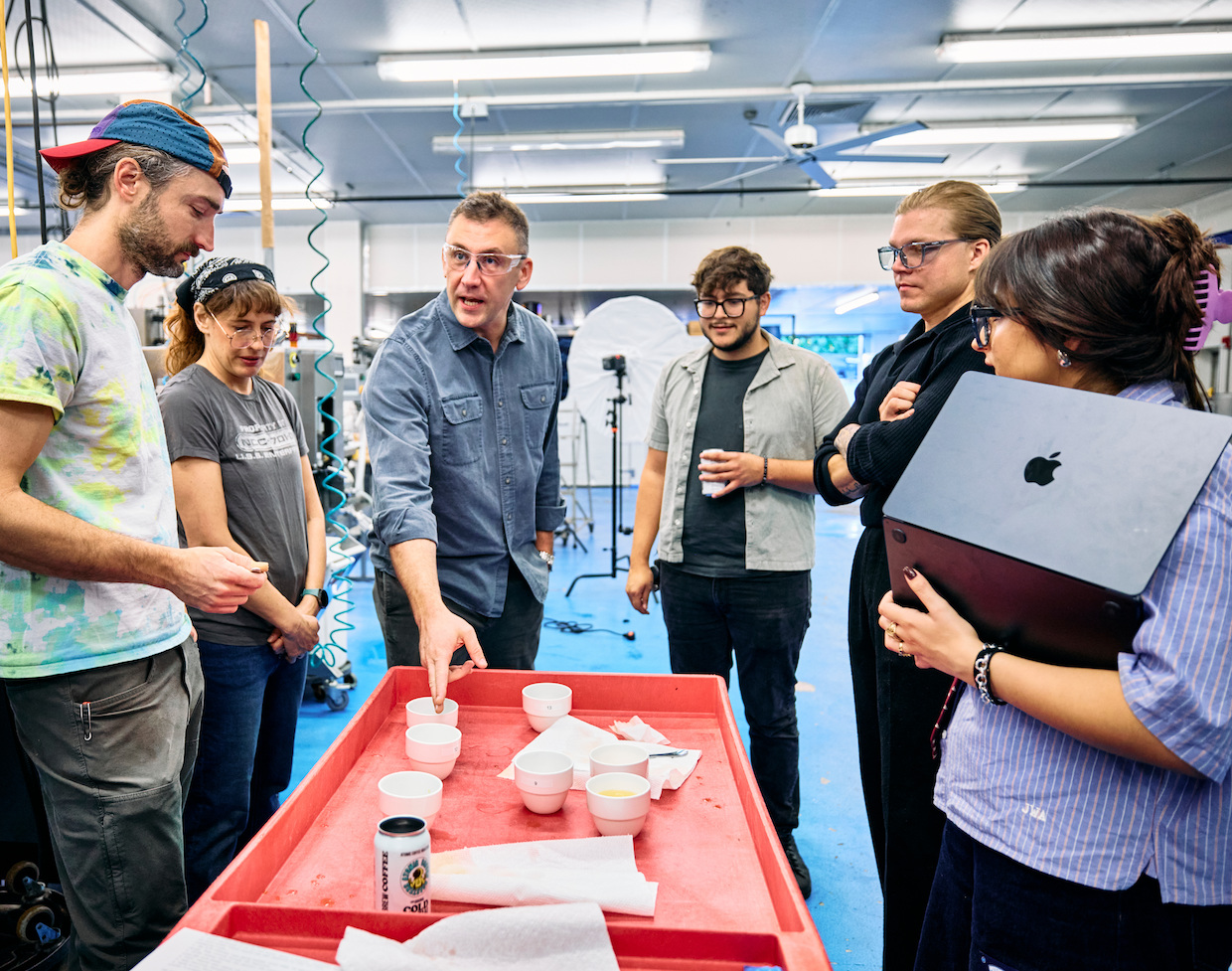
Photo by Ricky Ortiz / Ohrteez Media. Courtesy of Atomic Coffee Roasters.
Overpotential was co-founded in Cambridge, Massachusetts, in 2025 by University of Oregon Associate Professor of Chemistry Christopher Hendon and UO researcher Doran Pennington. Both have conducted coffee-focused electrochemistry research. The startup applies electrochemistry to consumable liquids with the goal of modifying flavor without adding ingredients.
Potential marks Overpotential’s first commercial coffee collaboration, according to the companies. At Atomic’s cold-brew production facility in Danvers, electrodes installed in a section of pipe between a storage tank and the canning line apply a low-voltage electrical current to the flowing cold brew. Voltage and flow rate are adjusted to achieve the desired sensory result.
“We select electrode materials that are food safe, and deliberately target the conversion of organic molecules that have oxidized during brewing,” Hendon told Daily Coffee News. “The exact voltages, flow rates, etc. are all manufacturer specific. Spencer and team will be tasting the coffee and saying ‘Stop there, that’s awesome.’”
The treatment generally uses voltages comparable to household batteries, with more intensive treatment achieved through additional passes rather than higher voltage. Settings are refined through chemical measurements and sensory evaluation.
“We show up with some recipes we have in mind, and we present them and then refine from there,” Hendon said of the production process. “Coffee is tricky. Every coffee is different and every day is variable, so we have to be able to adapt to the different chemistry present in each extract.”
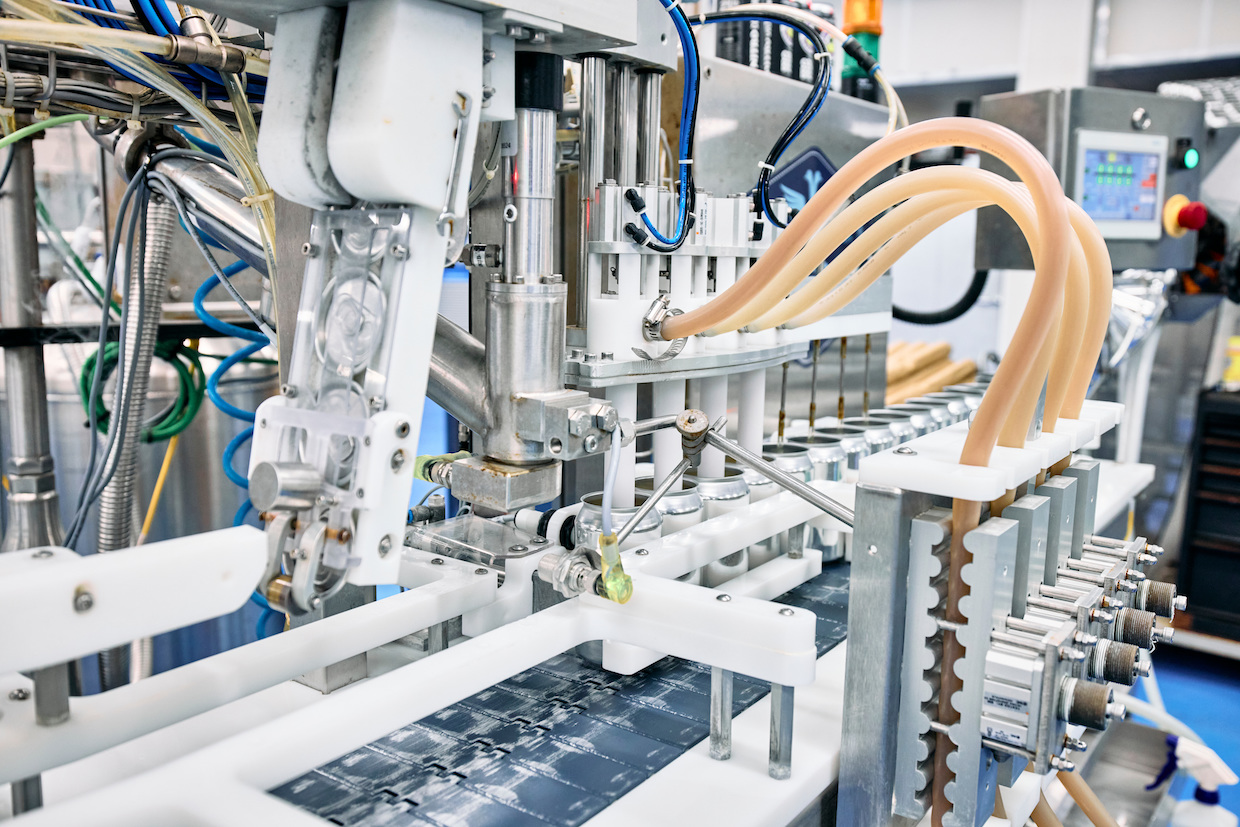
Photo by Ricky Ortiz / Ohrteez Media. Courtesy of Atomic Coffee Roasters.
For the first Potential release, Atomic chose a natural-process coffee from the Gera Estate in Ethiopia’s Djimma region that Atomic has sourced for several years.
“It has the berry notes you’d expect from an Ethiopia natural, plus mango and a floral note that carries through, and those are exactly the things cold brew usually flattens,” Mahoney said.
Hendon said Gera Estate also offered an opportunity to demonstrate the treatment on a higher-quality single-origin coffee.
“We are delighted they went with such an elegant example,” Hendon said. “Coffees like this are not typically used in cold brew, because while the natural flavor sometimes still presents itself, the bigger issue is the cold brew flavor overwhelms the process and origin flavors that made the coffee special.”
A 12-pack of Potential will sell for $48. Customers can begin claiming orders online Sept. 23, ahead of the public sales launch Oct. 5.
Comments? Questions? News to share? Contact DCN’s editors here. For all the latest coffee industry news, subscribe to the DCN newsletter.
Related Posts
Howard Bryman
Howard Bryman is the associate editor of Daily Coffee News by Roast Magazine. He is based in Portland, Oregon.

Comment